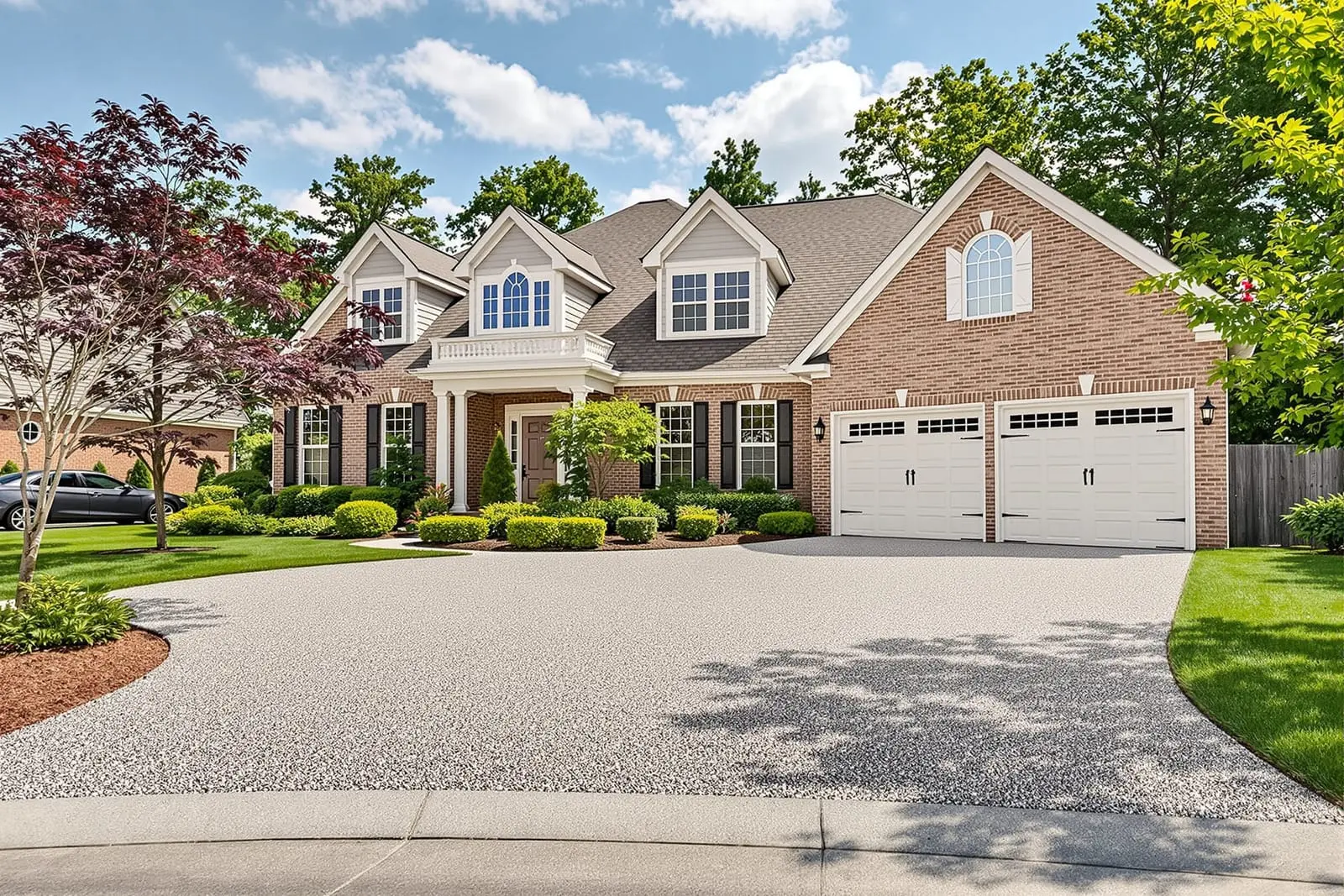
Prestige Asphalt Orlando specializes in gravel to asphalt conversions for driveways and small lanes in Orlando, FL. We evaluate your existing gravel base, add material where needed, and compact it to support new asphalt. Converting to asphalt reduces dust, mud, and ongoing grading costs. Enjoy a smooth, clean surface that is easier to drive on and maintain with a professionally planned conversion.
Prestige Asphalt Orlando provides professional gravel to asphalt conversion throughout Orlando, FL and the surrounding area. Our licensed, insured crew delivers safe, clean, on-time work with a free estimate before anything begins. Call (407) 974-6993 or request your free quote.
Gravel-to-Asphalt Conversion Specialists in Orlando
If you are tired of tracking gravel into your garage or dealing with washouts every rainy afternoon, Prestige Asphalt Orlando designs and installs gravel to asphalt conversions that are built for Central Florida conditions. We focus on turning loose, dusty gravel drives and parking areas into smooth, long lasting asphalt surfaces that drain properly and stand up to daily use.
Our team has decades of local experience, which matters for this specific service. Converting gravel is not the same as paving a new lot from scratch. We evaluate the existing base, compaction, and drainage you already have, then decide what can be reused and what must be rebuilt. This targeted approach often saves our Orlando customers money while still delivering a driveway or parking lot that looks new and performs like it was engineered from the ground up.
From residential driveways in Conway and Lake Nona to small commercial lots in Winter Park and Pine Hills, we tailor the conversion process to the way you actually use the surface. Light car traffic, delivery trucks, boat trailers, or RVs all require different pavement thicknesses and base preparations. Prestige Asphalt Orlando walks you through those decisions with clear explanations and specific recommendations, not generic one size fits all packages.
How Gravel-to-Asphalt Conversions Work Step by Step
A successful gravel to asphalt conversion follows a clear sequence. Prestige Asphalt Orlando starts with a site visit where we measure the area, probe the existing gravel depth, and check subgrade firmness with hand tools and plate compaction tests. We also look at how water moves across your property during heavy storms, which is a big factor in Orlando.
1) Grading and base evaluation. We strip any vegetation, soft spots, and organic material that has mixed into the gravel over time. If the existing gravel layer is thick and well compacted, we may regrade and reuse it as part of the base. If it is thin, contaminated with soil, or pumping under foot traffic, we remove or supplement it.
2) Base construction and compaction. For most residential Orlando driveways, we aim for about 6 to 8 inches of compacted base aggregate over firm subgrade. For commercial or heavy vehicle use, we may increase that thickness. We use a vibratory roller to compact in lifts, checking with a proof roll to identify any remaining soft areas. Those weak spots are undercut and replaced with new aggregate so that the finished pavement does not develop dips or cracks.
3) Fine grading and edge definition. Once the base is structurally sound, we create consistent slopes for drainage and shape clean edges. In many conversions we install a compacted shoulder of aggregate on the sides so the asphalt is laterally supported.
4) Asphalt installation. Prestige Asphalt Orlando typically installs a 1.5 to 2 inch compacted asphalt layer for residential driveways and thicker sections for commercial lots or truck traffic. We place the hot mix with a paver where access allows, then roll it to a uniform density. Joints are carefully compacted to avoid early raveling, which is a common failure point in rushed conversion jobs.
Local Conditions That Affect Your Conversion in Orlando
Orlando’s climate and soils create specific challenges for gravel to asphalt conversions, and we build those realities into our designs. Many neighborhoods sit on sandy or loose subgrade, which does not support heavy loads without proper base improvement. Prestige Asphalt Orlando evaluates the underlying soil and may recommend geotextile fabric beneath the base in areas with very weak or mixed soils to prevent the aggregate from sinking.
High intensity thunderstorms and frequent afternoon rain mean drainage is not optional. A gravel surface can get away with minor puddling because the water can soak in or shift the stone. Once asphalt is installed, improper drainage leads to standing water, faster surface raveling, and earlier cracking. We design at least a 2 percent slope where feasible and incorporate swales or tie the pavement into existing drains so water has a clear path away from your home or building.
Orlando also has tree heavy neighborhoods like College Park and older suburbs where roots from oaks or pines push into existing gravel. Before converting to asphalt, we identify root zones that could heave the new pavement. In some cases we slightly adjust the alignment of the driveway, install thicker base over critical areas, or coordinate with an arborist or tree service if root pruning is necessary. These steps protect both the pavement and your trees over the long term.
Permits, HOAs, and Orlando Code Considerations
For most single family residential gravel to asphalt conversions in Orlando, a full building permit is often not required if we are staying within your existing footprint and not altering drainage patterns significantly. However, commercial projects, large expansions, or any work that modifies on site stormwater flow may trigger city or county review. Prestige Asphalt Orlando helps you understand when a permit or engineering plan is needed and can coordinate with your designer or civil engineer if required.
In gated communities and HOA governed neighborhoods, architectural approval is commonly required before replacing gravel with asphalt. Each association can have its own rules on driveway width, color, apron details at the sidewalk, and how far you can widen near the street. We can provide clear drawings, pavement cross sections, and written descriptions for your HOA packet so you are more likely to receive fast approval.
Some Orlando area jurisdictions have restrictions on how water can be directed toward sidewalks or neighboring lots. During our site review, we check for potential code issues and suggest small design tweaks, such as adding a shallow valley in the asphalt or a catch basin at low points, to keep runoff where it belongs. Handling these details up front reduces the risk of stop work orders or post construction corrections.
What Drives the Cost of a Gravel-to-Asphalt Conversion
Cost for a gravel to asphalt conversion in Orlando is driven less by the asphalt itself and more by the condition of the existing base and access to the work area. Prestige Asphalt Orlando starts with a detailed breakdown so you understand what you are paying for and where options exist.
The main cost factors include:
• Base repair or replacement. If your gravel drive has developed ruts, holds water, or has soft spots, we may need to add several inches of new aggregate or undercut problem areas. This adds material and labor but directly affects how long your new asphalt will last.
• Pavement thickness and mix type. A light duty residential driveway that only sees cars can use a slightly thinner lift than a lot that receives box trucks or service vehicles. We also select asphalt mixes suitable for Central Florida temperatures to minimize rutting in hot weather.
• Site access and layout. Narrow side yards, tight curves, or steep approaches can slow production and sometimes require smaller equipment. Irregular shapes or extensive hand work around pavers, curbing, or garages can also increase cost compared with a simple rectangle.
• Add ons and drainage improvements. Concrete aprons at the road, extra thick edges at garage entries, or new drainage structures increase upfront cost but are sometimes the best investment for long term durability.
By itemizing these elements, Prestige Asphalt Orlando helps you adjust scope in a way that preserves structural quality while fitting your budget, instead of cutting corners that will shorten pavement life.
Common Problems with Old Gravel Drives and How We Correct Them
Gravel surfaces in Orlando often develop the same set of issues that must be dealt with before asphalt can be placed. Ignoring them and simply paving over the top results in early failure, so Prestige Asphalt Orlando addresses the root causes during the conversion.
Chronic rutting and wheel tracks usually indicate an insufficient base or soft subgrade. We excavate those areas, install new aggregate in layers, and compact thoroughly. In extreme cases we add stabilization fabric to separate the base from weak soils so loads spread correctly.
Standing water or muddy spots point to poor drainage or low areas in the existing gravel. During conversion, we regrade to create continuous slopes toward swales or drains, and in some cases modify shoulder elevations so water leaves the asphalt quickly. We also recommend avoiding placing the finished surface higher than adjacent garage slabs or sidewalks, which can cause water to run back toward structures.
Dust, loose stone, and erosion around edges are common complaints with older gravel. While these typically disappear once asphalt is installed, we still address eroded shoulders and washed out areas with new base material so that pavement edges have support. This is especially important where mail trucks or delivery vehicles run close to the side of the drive on a regular basis.
What to Expect When You Hire Prestige Asphalt Orlando
Prestige Asphalt Orlando aims to make the gravel to asphalt conversion process predictable and low stress. After the initial site evaluation, we provide a written proposal that outlines base work, asphalt thickness, drainage measures, and any optional upgrades so you know exactly what is included.
Scheduling is coordinated to work around your access needs. For most residential conversions, active paving work can be completed in one to two days, depending on the extent of base reconstruction. You can usually walk on the new asphalt the same day and drive on it within 24 to 48 hours, depending on temperatures and mix design, which we will discuss with you in advance.
We also explain realistic maintenance expectations for Orlando conditions. This may include waiting a recommended period before sealcoating, keeping heavy point loads like dumpsters off the new surface, and monitoring any nearby tree root activity. A short follow up inspection can be scheduled if you would like us to look over the pavement after its first rainy season.
From the first measurement to the last roller pass, our focus is on building a pavement structure that performs in Central Florida’s heat and storms, not just a black surface on top of your old gravel. That is the standard Prestige Asphalt Orlando applies to every gravel to asphalt conversion we complete.
“
Professional gravel-to-asphalt conversions, done right the first time, quality materials, honest pricing, and results that last.
Prestige Asphalt Orlando
Gravel-to-Asphalt Conversions Across Our Service Area