Home › Walkway and Pathway Paving
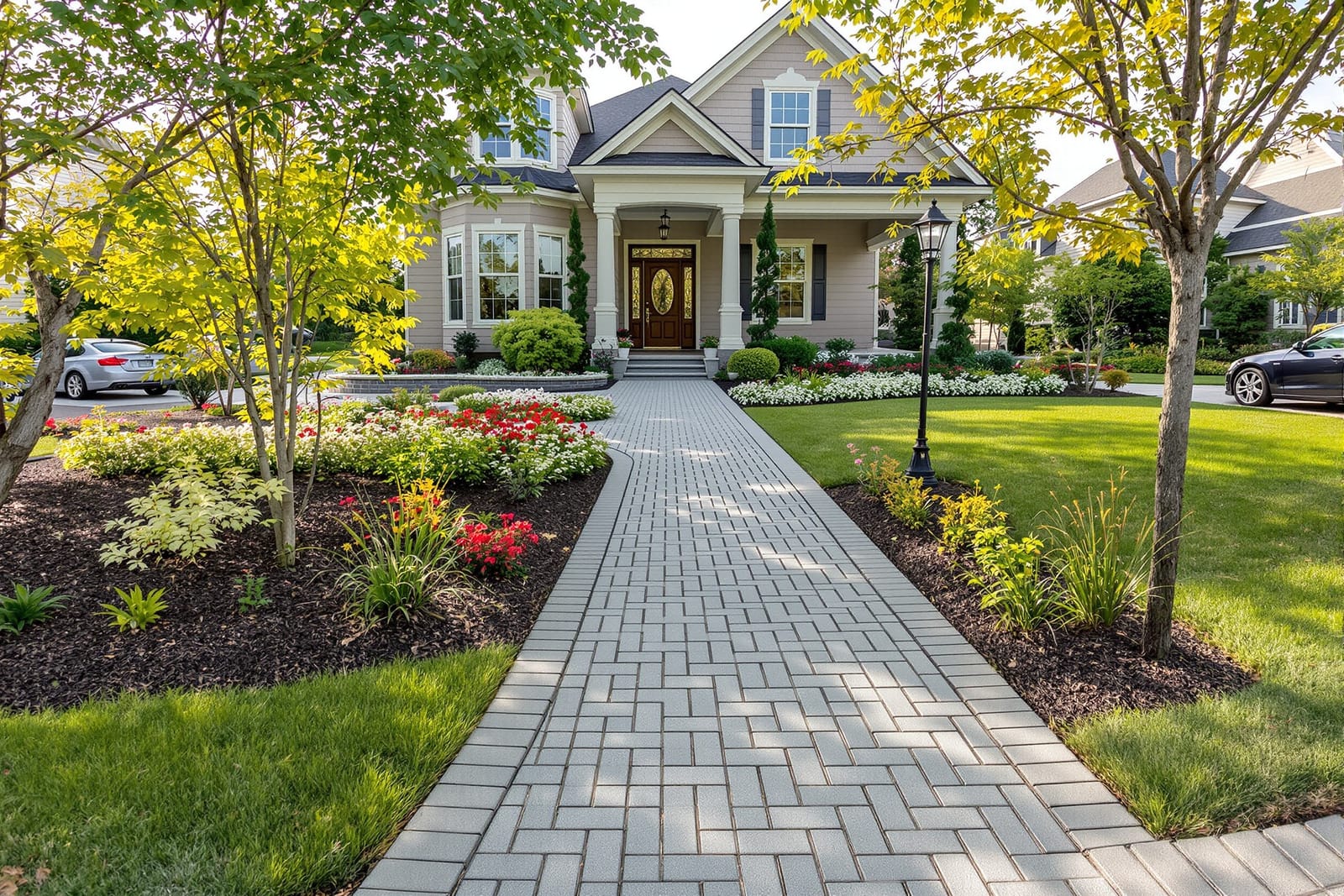
Create safe, attractive routes around your property with walkway paving in Orlando, FL. We design and install asphalt walkways and paths that blend with your landscaping. Smooth, slip resistant surfaces make it easier for family and guests to move around. From garden paths to side yard walkways, we deliver clean lines and long lasting results.
Prestige Asphalt Orlando provides professional walkway paving throughout Orlando, FL and the surrounding area. Our licensed, insured crew delivers safe, clean, on-time work with a free estimate before anything begins. Call (407) 974-6993 or request your free quote.
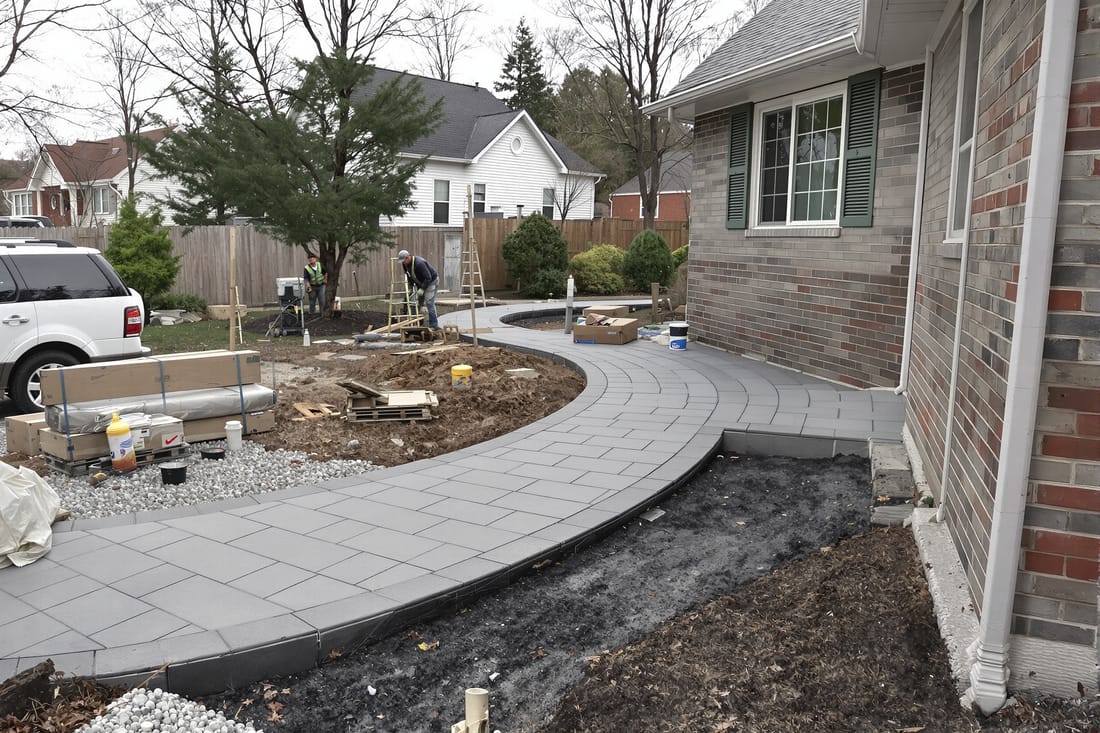
Walkway paving for Orlando homes and businesses
Walkways and pathways in Orlando take a beating from sun, rain, and foot traffic, so a good design and solid construction matter more than most people realize. At Prestige Asphalt Orlando, we build asphalt walkways that hold up in our heat, stay safe in wet weather, and look clean against Central Florida landscaping.
Most of our walkway paving work is at single family homes from the 1970s through new builds, townhome communities, small office parks, and churches. These properties often already have cracked concrete strips, uneven stepping stones, or dirt paths worn into the grass. Our job is to replace those with a smooth, properly drained surface that is easy to walk, roll a stroller, or push a wheelchair on.
Walkway paving is different from paving a driveway or parking lot. The layout is tighter, the edges show more, and we have to allow for tree roots, irrigation lines, and tight property lines. We spend extra time planning width, curve, and grade so your path feels natural and works with your yard instead of looking like an afterthought. Prestige Asphalt Orlando focuses on practical solutions that suit real Orlando properties, not generic textbook layouts.
Planning your new walkway or pathway
Every walkway paving project starts with a site visit. We walk the route with you, from the driveway to the front door, from the back patio to the pool, or around the side of the house to trash and utility areas. We look for trip hazards, standing water spots, low areas, and any spots where people already cut through the grass. This helps us pick routes that match how you actually use the property.
Next, we talk through width and layout. For most Orlando homes, a front entry walkway works best at 4 feet wide so two people can pass each other comfortably. Side yard access and trash routes often work at 3 feet, while community walking paths or routes to amenities in HOAs and apartment complexes usually need 5 to 6 feet. On commercial properties near Colonial Drive, Semoran, or downtown Orlando, ADA access and city requirements often come into play, so we confirm needed widths and slopes.
We check grades with a level and string line to make sure water will move off the walkway and away from your home or building. Orlando’s summer storms can drop a lot of water in minutes, so we aim for about 2 percent cross slope wherever possible. In low-lying neighborhoods or older areas with settled soils, we may recommend small adjustments in elevation or minor grading beside the path so water does not pool on the surface.
Before we quote your project, we also locate utilities and irrigation. Many Orlando yards have sprinkler lines just a few inches under the turf. We work around these when we can, and if a line must be moved we coordinate that with you and, if needed, your irrigation contractor.
How asphalt walkway paving is actually done
Once the plan is set, Prestige Asphalt Orlando follows a step-by-step process that keeps the job neat and predictable.
1. Layout and marking. We mark the exact path with paint or chalk and review it with you on the ground. Any final tweaks to curves or width happen here.
2. Demolition and clearing. Old concrete, pavers, or broken asphalt are removed using saws, skid steers, and small breakers. If we are replacing a dirt or grass path, we strip the sod and topsoil to reach firm native soil. On older Orlando properties with a lot of tree roots, we selectively cut only the roots that must go and discuss any risk to trees before we start.
3. Subgrade preparation. We compact the soil with a plate compactor or roller until it is firm and stable. In sandy or soft areas, which are common in Central Florida, we may add a stabilizing layer or remove extra depth so the base has a consistent thickness.
4. Base installation. We install a crushed stone or limerock base, usually 3 to 4 inches compacted for residential walkways and 4 to 6 inches for community or light service vehicle paths. This base is shaped to the final grade, checked with a straightedge, and compacted in lifts so it does not settle later.
5. Edge support. Because walkways are narrow, edges can be a weak point if they are not supported. We can cut the walkway slightly into the surrounding grade, add soil and sod up to the edge, or install edging like concrete bands or metal edging at your request. Proper edge support is key to preventing raveling (loose edges) as people step on and off the path.
6. Asphalt paving. We place hot mix asphalt at a thickness that matches your use. For most walkways, 1.5 to 2 inches compacted is appropriate. For paths that will see carts, maintenance vehicles, or light service trucks, we may increase that depth. We spread and compact the asphalt quickly to get a smooth surface before it cools in the Florida air.
7. Finish, transitions, and cleanup. We taper the ends of the path to meet driveways, patios, and building entries smoothly, and we make sure there are no sharp edges or puddle-prone spots. After rolling, we rope off the area so it can cool and harden. Typically, you can walk on a new asphalt walkway within 24 hours, depending on temperature and shade.
This process is the same whether we are building a straight run from a driveway to a front door in Conway, or a winding path through a backyard in Lake Nona. What changes is the depth, width, and detailing, which we match to the actual use and site conditions.
Material, design options, and what affects cost
Asphalt walkway paving is not one size fits all. The choices you make about layout, material build, and finishing details affect both cost and how the path performs.
Material build. The two main cost drivers are base thickness and asphalt thickness. A simple residential walkway with only foot traffic can use a lighter structure than a shared community path where golf carts, maintenance carts, or small trucks will sometimes drive. In many Orlando HOAs and apartment complexes, carts are common, so we often propose a heavier build in those cases to prevent rutting.
Access and site conditions. Tight backyards in neighborhoods like College Park or older parts of Winter Park may require smaller equipment and more hand work, which adds labor time. If we need to work around mature oaks, low fences, or pool enclosures, the crew will move more slowly to avoid damage. Areas with poor drainage or existing settlement may require extra excavation or base repair.
Layout and features. Straight, short runs cost less per foot than winding, curved paths with multiple junctions or branches. If you want wider landings near steps, seating areas by a fire pit, or a loop path around a garden, that adds square footage and more fine grading time. Decorative concrete borders, brick bands at entries, or transitions to existing paver patios are very popular in Orlando and can be included, but they do add cost.
Surface and appearance. Standard black asphalt is the most economical. If you want a lighter surface to cut heat or you want the path to tie into a design theme, we can discuss sealcoating, striping, or specialty coatings applied after the asphalt cures. These are not needed for performance, but they can improve comfort and appearance, especially near pools or play areas.
Existing conditions. Removing thick, reinforced concrete or dealing with buried debris (which is common behind older buildings and some mid century homes) increases demolition disposal costs. We always inspect and, when possible, probe the existing surface before finalizing a price so there are fewer surprises during construction.
Prestige Asphalt Orlando provides written estimates that break out demolition, base work, and paving so you can see exactly what you are paying for and where there is flexibility if you need to adjust the project to fit your budget.
Maintenance, common problems, and why local experience matters
Orlando’s climate is hard on pavement. High UV exposure, frequent summer storms, and tree root growth all affect walkways and pathways over time. Knowing what to expect helps you keep your new asphalt path in good shape.
Routine care is simple. Keep leaves, mulch, and soil from piling up on the edges, since constant moisture and plant growth can soften the sides. Rinse off fertilizer or pool chemicals quickly if they spill, especially around backyards and pool decks. For most residential walkways, we recommend a first sealcoat after the asphalt has cured, typically 6 to 12 months, then every few years as needed.
Common walkway issues include hairline cracks from tree roots, small dips where water sits, or edge crumbling where vehicles cut the corner even though the path was not designed for them. When we design your walkway, we look for root zones, expected traffic patterns, and low spots to reduce these problems. If an issue does show up, simple crack filling or localized patching often solves it before it becomes major.
On commercial and multifamily properties, trip hazards are a big concern. Changes in height of more than a quarter inch can be an issue under code and for insurance. We are careful about tie-in points at curb ramps, steps, and building entries. If you manage an office, school, or community near Orlando and you already have an older path that is uneven, we can evaluate whether a thin overlay, localized repairs, or complete replacement makes more sense.
Local experience also matters with permitting and drainage. Some areas around Orlando, especially near lakes and low-lying zones, have stricter stormwater rules. We know when a simple walkway is considered routine work and when your project might trigger additional review, especially for longer community paths or access routes tied to accessible entries. Prestige Asphalt Orlando shares these details with you upfront so your project does not get hung up late in the process.
If you are considering walkway paving, it helps to walk your property at night and during or right after a rain. Note where people actually walk, where shoes get muddy, and where water stands. Bring those notes to us. Combined with our on-site inspection, they help us design a walkway or pathway that performs well for your real daily use, not just for a drawing on paper.